
Opening a coffee shop is one of the most rewarding ways to build a business around something you love. But passion for coffee only gets you so far. Turning that passion into a profitable, sustainable operation requires planning, capital, the right equipment, and a clear understanding of what it takes to compete in a crowded market.
The good news is: thousands of independent coffee shop owners do it every year. With the right preparation, there’s no reason yours can’t be one of them.
This step-by-step guide walks through every step of starting a coffee shop, from writing your business plan and securing funding to sourcing equipment, building your menu, and marketing your grand opening. Whether you’re starting a coffee shop from scratch or converting an existing space into a café, here’s everything you need to know.
1. Write Your Coffee Shop Business Plan
Your business plan is the foundation in determining if your coffee shop will be successful. It forces you to think through the details before you spend a single dollar, and it’s essential if you plan to seek outside funding.
A strong coffee shop business plan covers:
- Concept and niche: What kind of coffee shop are you opening? A neighborhood espresso bar, a drive-through coffee kiosk, a specialty roaster with a retail front, or a full-service café with food? Define your concept clearly because it will inform every decision that follows.
- Target audience: Who are you serving? Early-morning commuters, remote workers, weekend brunch crowds, or specialty coffee enthusiasts? Understanding your target audience shapes your menu, pricing, hours, and atmosphere.
- Market and competitor analysis: Research the coffee shops already operating in your area. Identify their strengths, weaknesses, price points, and customer base. Where is the gap in the market you can fill?
- Financial projections: Estimate your startup costs, monthly operating expenses, and projected revenue. Even rough numbers help you understand viability before you’re committed.
- Operations plan: How will the shop run day to day? Staffing, hours, supplier relationships, and inventory management all belong here.
The U.S. Small Business Administration (SBA) offers free business plan templates and resources to help you get started.
2. Figure Out Your Startup Costs
One of the first questions aspiring cafe owners ask is: how much does it cost to open a coffee shop? The answer depends on your concept, location, and the condition of your space, but here are realistic ranges to plan around.
Typical Startup Cost Ranges
- Leasehold improvements and build-out: $25,000–$250,000+ depending on the size of the space and how much renovation is required
- Equipment: $20,000–$100,000+ (espresso machines, grinders, brewers, refrigeration, POS system)
- Furniture and fixtures: $5,000–$40,000
- Initial inventory: $5,000–$15,000 (coffee beans, dairy, syrups, cups, packaging)
- Licenses and permits: $500–$5,000 depending on your city and state
- Working capital: $10,000–$30,000 to cover operating costs while you build your customer base
In total, most coffee shops require between $80,000 and $300,000 to open, with smaller kiosk or drive-through concepts coming in at the lower end and full-service cafés with significant build-out at the higher end.
Monthly Operating Costs
How much does it cost to run a coffee shop per month? Most independent shops budget $15,000–$35,000 per month in operating expenses, which typically includes:
- Rent and utilities
- Labor (typically 35–40% of revenue)
- Cost of goods sold (coffee, dairy, food, supplies)
- Insurance and loan payments
- Marketing and miscellaneous expenses
Ways to Save Money When Starting Out
- Buy quality used equipment where possible: especially for secondary items like refrigeration and brewing equipment
- Start with a focused, streamlined menu to reduce inventory costs and waste
- Negotiate your lease: many landlords will offer tenant improvement allowances for coffee shops moving into previously unimproved spaces
- Source your supplies from a wholesale foodservice supplier like Shamrock Foodservice Warehouse to keep per-unit costs low from day one
3. Secure Your Funding
Most successful coffee shop owners enter with some combination of personal savings and outside funding. Here are the most common paths:
- SBA loans: The Small Business Administration backs loans with favorable terms for small business owners. SBA 7(a) loans are the most common option for coffee shop startups and can cover equipment, working capital, and build-out costs.
- Conventional small business loans: Many community banks and credit unions offer small business loans for food and beverage concepts. A solid business plan and some personal financial history are typically required.
- Investors and partners: Bringing on a business partner or silent investor can reduce your personal financial exposure. Make sure any partnership is formalized with a clear operating agreement.
- Personal savings: Many first-time owners self-fund at least part of their startup costs. Having skin in the game also signals commitment to lenders and investors.
- Crowdfunding: Platforms like Kickstarter or Indiegogo have helped launch community-focused coffee shops. This approach works best when you have a compelling story and a built-in local audience.
4. Choose the Right Location
Location is one of the biggest decisions you’ll make when opening your coffee shop. A great product in the wrong spot will struggle. A solid product in the right location can thrive.
The best location for a coffee shop depends on your concept and target customer, but a few factors are universal:
- Foot traffic and visibility: High foot traffic locations near office buildings, universities, transit hubs, or busy retail corridors gives you built-in exposure. Visibility from the street matters too. If customers can’t see you, it will be harder to find you.
- Demographics: Match the neighborhood to your concept. A specialty coffee shop with premium pricing will do better in an area with higher disposable income. A grab-and-go drive-through model can work in suburban corridors where commuters are plentiful.
- Proximity to competitors: Being near other coffee shops isn’t always a negative, it can signal a proven market. But make sure your concept is differentiated enough to give customers a reason to choose you.
- Parking and accessibility: Easy parking and accessibility increase the likelihood of repeat visits, especially for morning customers who are already pressed for time.
- Lease terms: Understand what you’re signing. Look for clauses around rent escalation, renewal options, and what happens if the building sells. A bad lease can sink a good business.
5. Get Your Licenses and Permits
Before you serve your first cup, you’ll need the right licenses and permits in place. Requirements vary by city and state, but most coffee shops need the following:
- Business license: Required to legally operate in your city or county.
- Food handler’s permit: Most states require at least one certified food safety manager on staff, and individual food handler cards for employees.
- Health department permit: Your local health department will inspect your space before you open and periodically after. Ensure your build-out meets their requirements for commercial food handling.
- Seller’s permit / sales tax license: Required in most states to collect and remit sales tax on retail transactions.
- Certificate of occupancy: Issued after your space passes local building and fire code inspections.
Do You Need FDA Approval to Sell Coffee?
For most standard coffee shop operations, FDA approval is not required to sell coffee drinks. However, if you plan to package and sell retail coffee products, such as bagged beans or bottled cold brew, FDA food labeling requirements do apply.
Facilities that manufacture or process packaged food for retail sale must register with the FDA. Your state’s department of agriculture may also have specific requirements for cottage or specialty food products. When in doubt, consult with a local business attorney or your state’s small business development center (SBDC).
6. Source Your Equipment
Your equipment is the backbone of your operation. Buying the wrong gear, or underspending in the wrong places, can create bottlenecks, inconsistent product quality, and costly repairs down the line.
Here’s what most coffee shops need to get up and running:
Core Coffee Equipment
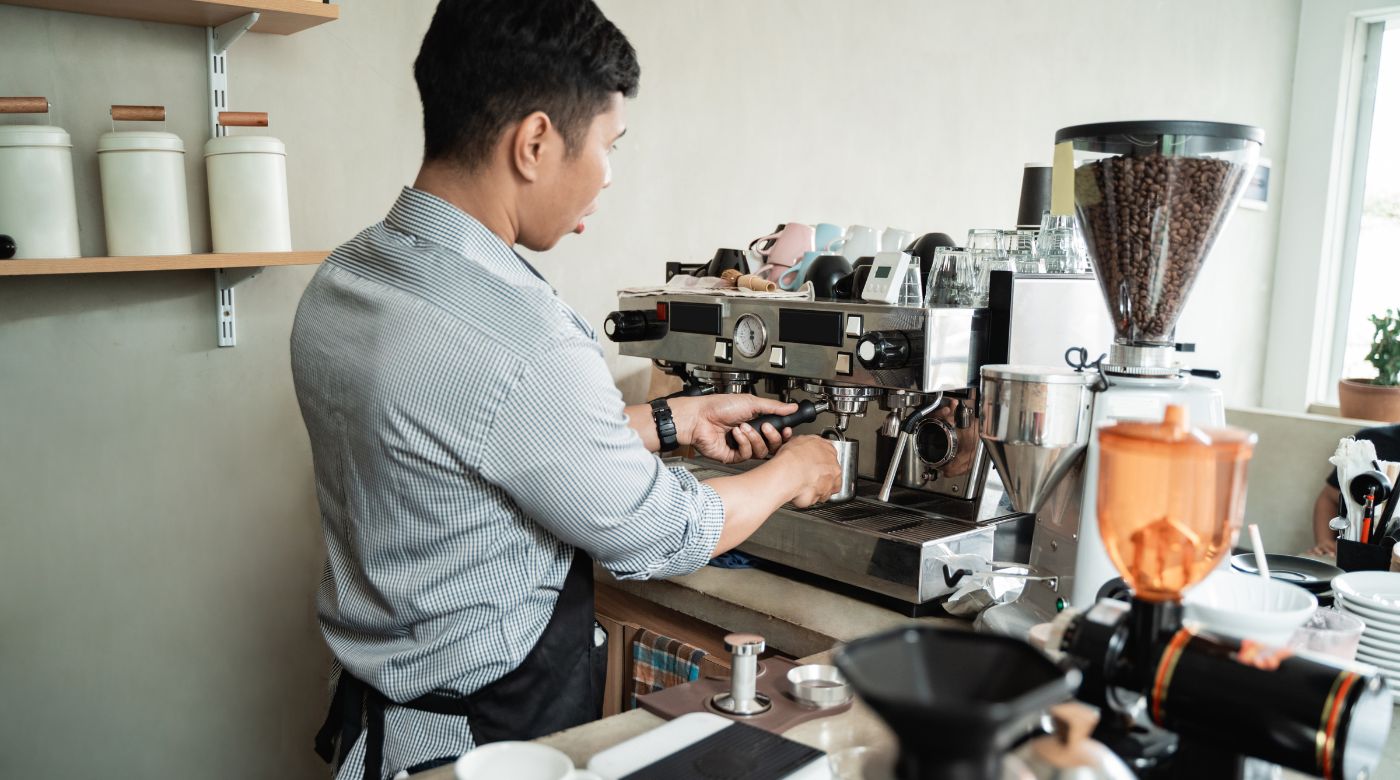
- Espresso machine: The centerpiece of your coffee program. Commercial espresso machines range from $5,000 to $20,000+. Don’t cut corners here — your machine will be running hundreds of shots a day.
- Espresso grinder: A quality burr grinder is just as important as the machine. Inconsistent grind size means inconsistent shots. Budget for at least one dedicated espresso grinder.
- Commercial coffee brewer: For batch drip coffee — the highest-volume, lowest-effort item on any coffee menu. A quality commercial brewer keeps up with morning rushes without compromising quality.
- Cold brew system: Cold coffee drinks have become year-round staples. A cold brew concentrate setup gives you flexibility across your iced drink menu.
- Water filtration system: Coffee is 98% water. A commercial water filtration system protects your equipment and ensures consistent flavor in every cup.
Supporting Equipment
- Commercial refrigeration (reach-in coolers, under-counter units for milk and cold ingredients)
- Blender (for frappés and blended drinks)
- Display case (for pastries and grab-and-go food)
- POS system (with integrated payment processing and inventory tracking)
- Smallwares: tampers, pitchers, knock boxes, portafilters, scales, thermometers
7. Build Your Supply Chain
A reliable supply chain keeps your shelves stocked, your costs predictable, and your product consistent. Getting this right from the start saves you from scrambling for last-minute substitutes or absorbing unexpected cost spikes.
Choosing Your Coffee Beans and Roaster Partner
Your coffee program starts with the beans. Decide early whether you’ll go the specialty coffee route (single-origin, carefully sourced, lighter roasts) or a more accessible commodity-grade coffee with a broader appeal.
Neither approach is wrong. What matters is that your choice aligns with your concept, your target customer, and your price point. A specialty coffee shop that charges $6 for a pour-over has a different sourcing conversation than a drive-through focused on speed and value.
Many independent shops partner with a local or regional coffee roaster. This gives you access to fresh, high-quality beans with roaster support for training, menu development, and equipment guidance. Some roasters will provide equipment loans or credits in exchange for an exclusive supply relationship — worth exploring if capital is tight.
Other Essential Supplies to Source
- Dairy and non-dairy milks: Whole milk, 2%, oat, almond, and soy are standard expectations for most customers today.
- Syrups and sauces: Vanilla, caramel, hazelnut, and seasonal flavors drive add-on revenue and customize the menu to your brand.
- Cups, lids, and sleeves: Disposable packaging in multiple sizes. Buying in bulk keeps per-unit costs low.
- Pastries and food: Whether you bake in-house or source from a local supplier, food items increase your average ticket size significantly.
- Cleaning and sanitation supplies: Commercial espresso machine cleaner, sanitizer, and cleaning tools need to be on hand at all times.
Shamrock Foodservice Warehouse stocks a wide range of coffee shop supplies, from dairy and syrups to cups, lids, and food items at wholesale pricing. We’re a go-to sourcing partner for independent cafés and coffee shops looking to keep costs in check without sacrificing quality. Find one of our nearest locations.
8. Build Your Menu
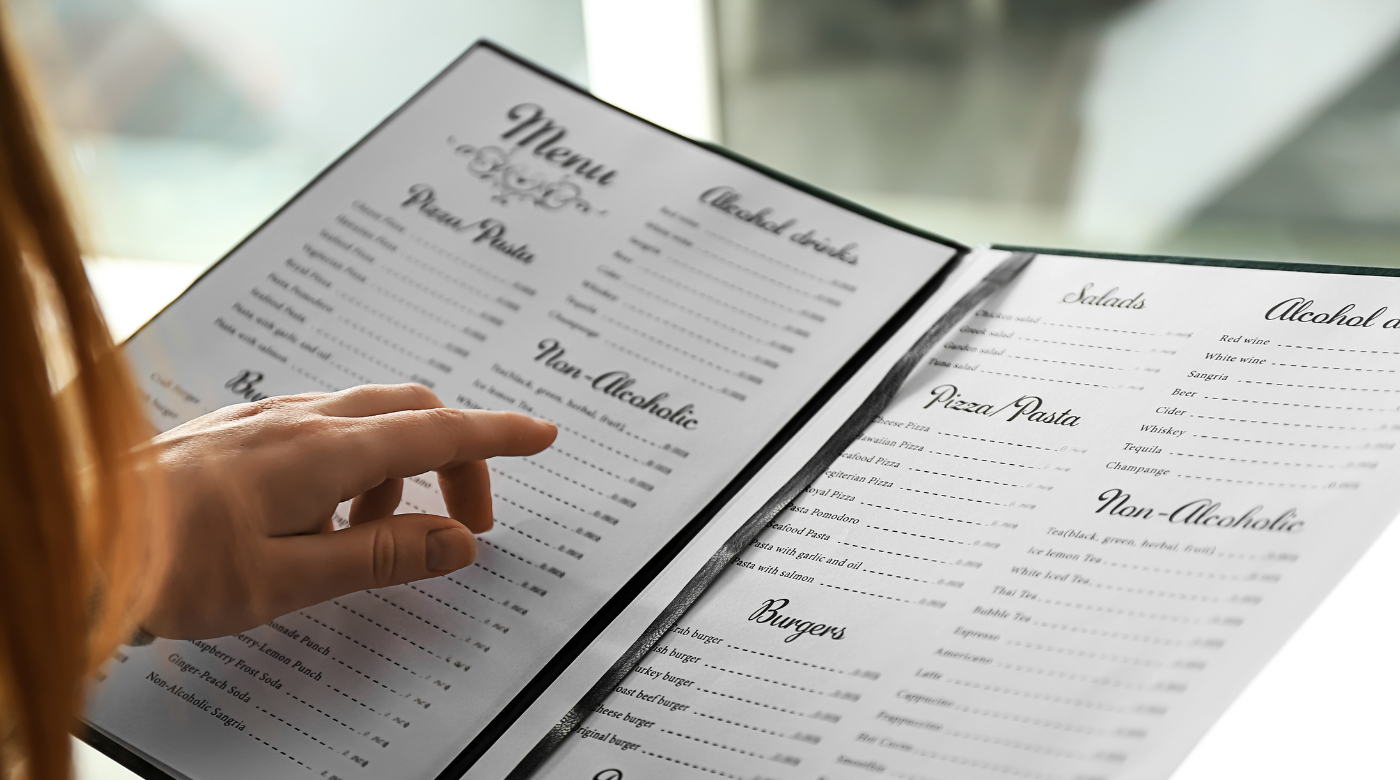
Your menu is one of the most powerful tools you have for communicating your brand, driving revenue, and building customer loyalty. A well-built coffee shop menu balances familiar staples with enough creativity to give customers a reason to keep coming back.
At a minimum, your menu should cover espresso-based drinks, brewed coffee, cold beverages, and food. How deep you go within each category depends on your concept, staff, and equipment.
For a full breakdown of what to include, from signature drink ideas to food pairing strategies, read our full guide for Coffee Shop Menu Ideas.
9. Hire and Train Your Team
Your team is what turns a good coffee shop into a great one. The product matters, but the experience customers have, how they’re greeted, how quickly they’re served, and how welcome they feel is what drives repeat visits.
Key Roles to Fill
- Baristas: The face of your shop. Look for candidates who are personable, detail-oriented, and either have coffee experience or show a genuine eagerness to learn.
- Shift supervisors: As you grow, you’ll need experienced staff who can run the floor without you on-site every hour.
- Kitchen or prep staff: If you’re serving food, you’ll need someone dedicated to prep and presentation so your baristas can focus on the coffee bar.
Training and Coffee Knowledge
Invest in proper barista training before you open. This includes espresso extraction, milk steaming technique, drink recipes, and customer service standards. Even experienced baristas will need to learn your specific equipment setup and menu.
10. Market Your Coffee Shop
Great coffee doesn’t market itself, especially in the early days when no one knows you exist yet. A focused marketing strategy before and after your opening is essential for building awareness and bringing in first-time customers.
Define Your Target Audience
Go back to your business plan. Who are your core customers? Where do they spend time online? What do they care about? The clearer your picture of your target audience, the more effectively you can reach them.
Social Media Strategy
Instagram and TikTok are big discovery platforms for coffee shops. High-quality photos of your drinks, behind-the-scenes content of your space coming together, and short-form videos of your baristas at work all perform well. Start building your social presence before you open, the pre-opening countdown creates genuine excitement.
- Claim and optimize your Google Business Profile so customers can find you in local search results
- Get listed on Yelp and encourage early customers to leave reviews
- Use Instagram Stories and location tags to reach people in your area who are already looking for coffee shops nearby
Grand Opening Tactics
- Host a soft opening for friends, family, and neighbors before your official launch; it’s a low-pressure way to work out operational kinks
- Offer a grand opening promotion (free drink with purchase, loyalty punch card, or a giveaway) to drive first visits
- Partner with other local businesses or community organizations for cross-promotion
Loyalty Programs
Repeat customers are the lifeblood of a coffee shop. A simple loyalty program, whether it’s a digital app or a physical punch card, gives customers a tangible reason to come back. Many POS systems include built-in loyalty program functionality, so check what your system offers before investing in a separate platform.
11. Understand Your Revenue Potential
Before you open, it’s important to understand what a realistic financial picture looks like for an independent coffee shop.
How Much Does a Coffee Shop Make in a Day?
A well-run independent coffee shop typically generates between $500 and $3,000 in daily revenue, depending on location, traffic, average ticket size, and hours of operation. Shops in high-traffic urban locations with strong brand recognition can exceed this, but those benchmarks take time to reach.
A useful way to model your own revenue: estimate your average daily customer count, multiply by your projected average ticket size, and compare that to your monthly operating costs. If the math works, your concept is viable. If it doesn’t, adjust before you’re invested.
How Long Does It Take for a Coffee Shop to Become Profitable?
Most independent coffee shops reach profitability within 12 to 24 months of opening, assuming solid location selection, controlled costs, and consistent customer growth. Some well-positioned shops break even sooner (within 6 to 9 months) while others in high-overhead markets may take longer.
The variables that most directly affect your path to profitability:
- Rent as a percentage of revenue (target: under 10%)
- Labor cost control (target: 35–40% of revenue)
- Average ticket size (food add-ons increase this significantly)
- Customer retention rate (loyalty programs and consistent quality drive this)
Start Building Your Coffee Shop With Shamrock Foodservice Warehouse
Starting a coffee shop is a big undertaking, but with the right plan, the right location, and the right supply partners in your corner, it’s absolutely achievable.
From your business plan through opening day and beyond, every step of this process gets easier when you’re working with reliable suppliers who understand what coffee shops need. Shamrock Foodservice Warehouse carries the products independent cafés depend on: dairy, syrups, cups, food items, and more at wholesale prices with the in-store convenience of a warehouse near you.
Find your nearest Shamrock Foodservice Warehouse location and start stocking your shop today.