
Most bakery owners don't get into the business because they ran the numbers on profit margins. They do it because they have a real passion for baking, and likely because the people around them kept telling them they should sell what they make.
Turning that passion into a real business is absolutely achievable, but it takes more than great recipes. Opening a bakery means writing a business plan, securing funding, navigating permits, equipping a commercial kitchen, and building a customer base.
This guide will walk through every step of starting a bakery, from choosing your business model to opening day. Whether you're dreaming of a neighborhood storefront, a wholesale operation, or starting a baking business from your home kitchen, here's what you need to know.
1. Choose Your Bakery Type
Before anything else, decide what kind of bakery you're building. This choice shapes your startup costs, your location needs, your equipment list, and your licensing requirements.
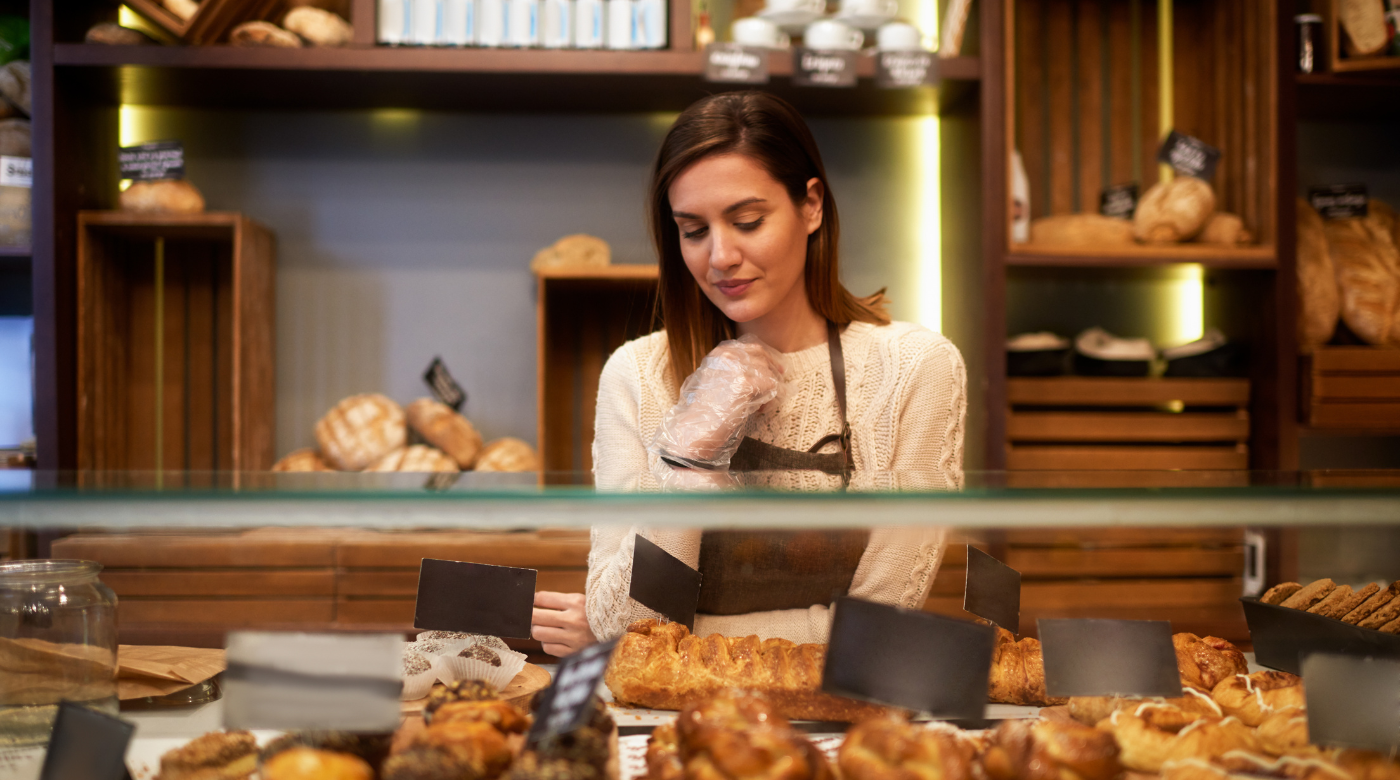
Retail Bakery
The most common model is selling baked goods directly to customers. Retail bakeries take several forms:
- Bakery café: Baked goods paired with coffee and a seating area. Higher build-out costs, but higher average tickets and longer customer visits.
- Counter service: A front-of-house counter for grab-and-go orders with no dining space. Lower overhead than a full café.
- Specialty bakery: Focused on one category done exceptionally well, such as wedding cakes, cupcakes, gluten-free, artisan sourdough. Specialty concepts can command premium pricing because customers can't find the product elsewhere.
Wholesale Bakery
Instead of selling to the public, wholesale bakeries supply restaurants, grocery stores, delis, and cafés.
- Customer base: Business accounts rather than walk-in traffic; steadier revenue once accounts are established
- Location needs: No high-traffic retail space or front-of-house required, but you need room for high-volume production and delivery logistics
- Cost profile: Typically higher startup costs due to larger equipment and space requirements
Home Bakery
The lowest-cost entry point into the industry, made possible by state cottage food laws.
- What you can sell: Typically non-hazardous baked goods that don't require refrigeration such as breads, cookies, cakes, and pastries; allowed products and sales limits vary significantly by state
- Cost profile: Minimal startup investment; permits, packaging, and equipment upgrades to your home kitchen
- Growth path: Many successful retail bakeries started at home. It's a low-risk way to validate your product, build a customer base, and generate startup capital before committing to a commercial lease
2. Write a Bakery Business Plan
A bakery business plan forces you to think through every operational and financial detail before you're committed. It's also essential if you plan to seek funding; no lender or investor will take a pitch seriously without one.
A strong bakery business plan covers:
- Concept and niche: What kind of bakery are you opening, and what makes it different from every other bakery in your market?
- Target audience: Who are your customers? Morning commuters, wedding clients, health-conscious shoppers, local restaurants? Your target audience shapes your menu, pricing, and location.
- Market research and competitor analysis: Study the bakeries already operating in your area. What do they sell, what do they charge, and where are the gaps you can fill?
- Menu and pricing: A sample menu with recipe-costed pricing. Knowing your cost per item before you open is what separates profitable bakeries from struggling ones.
- Financial projections: Startup costs, monthly operating expenses, projected revenue, and a break-even timeline.
- Operations plan: Daily production schedules, staffing needs, and supplier relationships.
The U.S. Small Business Administration offers free business plan templates and local advising resources.
3. Understand Your Startup Costs
How much money is needed to start a bakery? It depends heavily on the type of bakery you're opening. Here are realistic ranges:
- Home bakery: $1,000–$10,000; primarily equipment upgrades, permits, packaging, and initial ingredients
- Counter service or specialty retail bakery: $50,000–$150,000
- Bakery café with seating: $100,000–$300,000+
- Wholesale bakery: $150,000–$400,000+ depending on production capacity
Where the money goes for a retail bakery
- Lease deposit and rent: $2,000–$12,000 upfront
- Build-out and renovations: $20,000–$100,000+ depending on the condition of the space
- Ovens, mixers, and refrigeration: $15,000–$50,000
- Smallwares (pans, bowls, utensils, decorating tools): $2,000–$5,000
- Display cases: $3,000–$15,000
- POS system: $1,000–$2,500
- Licenses and permits: $500–$2,000
- Initial ingredient inventory: $3,000–$8,000
- Signage and marketing: $1,000–$5,000
- Working capital: $10,000–$30,000 to cover expenses while your customer base grows
Ways to save when starting out
- Buy quality used equipment: commercial ovens and mixers from restaurant auctions and closures can cut equipment costs significantly
- Look for a space with an existing commercial kitchen to avoid expensive build-out
- Start with a focused menu to keep your ingredient inventory lean
- Source ingredients and supplies from a wholesale supplier to keep per-unit costs low from day one
4. Secure Your Funding
Most bakery owners fund their launch through a combination of sources:
- SBA loans: Small Business Administration-backed loans offer favorable terms for food businesses. SBA 7(a) loans are the most common route for bakery startups and can cover equipment, build-out, and working capital.
- Traditional bank loans: Community banks and credit unions regularly lend to food concepts with a solid business plan and reasonable personal credit.
- Business line of credit: Flexible access to capital for equipment purchases and cash flow gaps; you only pay for what you use.
- Investors and partners: Reduces your personal financial exposure. Formalize any partnership with a clear operating agreement.
- Personal savings: Most lenders want to see the owner has skin in the game. Many home-based bakers self-fund their transition to retail using revenue from their cottage food operation.
5. Find Your Location
Location requirements differ significantly by bakery type. Retail bakeries live and die by visibility and foot traffic. Wholesale bakeries can operate from cheaper industrial space but need loading access for deliveries.
For a retail bakery, evaluate:
- Foot traffic and visibility: Morning pastry sales depend on being seen. Locations near offices, schools, gyms, and commuter routes give you built-in exposure.
- Demographics: Match the neighborhood to your concept and price point. A $9 artisan loaf needs a market that will pay for it.
- Parking and accessibility: Customers picking up cake orders or a dozen pastries need convenient parking.
- Zoning and infrastructure: The space must be zoned for commercial food production, with adequate plumbing, electrical capacity, and ventilation for commercial ovens. A space that needs infrastructure upgrades can add tens of thousands to your build-out.
- Lease terms: Understand rent escalation clauses, renewal options, and who pays for improvements. Landlords will sometimes offer tenant improvement allowances for kitchen build-outs.
Home bakers scaling up have a middle option: leasing time in a shared commercial kitchen. It satisfies health department requirements without the cost of a dedicated space.
6. Get Your Licenses and Permits
What licenses are needed to start a bakery? Requirements vary by city and state, but most bakeries need:
- Business license: Required to operate legally in your city or county
- Food handler's permit: Required for you and any employees handling unpackaged food
- Food manager certification: Most states require at least one certified food safety manager on staff
- Health department permit: Issued after your facility passes inspection; your kitchen layout, storage, and sanitation stations all need to meet local code
- Certificate of occupancy: Confirms your space passes building and fire inspections
- Sales tax permit: Required to collect and remit sales tax on retail sales
- Cottage food registration: For home bakeries; requirements and allowed products vary by state
The local fire department may also need to inspect your commercial ovens and ventilation hoods, and bakeries selling items by weight need certified commercial scales.
Contact your local health department early in the planning process and get their requirements checklist before you finalize a space or build-out plan. Compliance surprises are far cheaper to fix on paper than in a finished kitchen.
7. Equip Your Bakery
Your equipment list depends on your menu. A cake-focused bakery and an artisan bread bakery need different tools. But most bakeries build around the same core categories:
Baking and Dough Equipment
- Commercial convection oven: the all-purpose workhorse; deck ovens for artisan bread with crisp crusts
- Commercial floor mixer: planetary or spiral, sized to your batch volume
- Proofing cabinet for consistent yeast dough rising
- Dough sheeter and divider for high-volume operations
- Prep tables: stainless steel work surfaces for shaping and decorating
- Baking scales for accuracy and consistency
Refrigeration and Storage
- Reach-in or walk-in cooler for perishable ingredients and finished products
- Freezer for dough storage and extended shelf-life items
- Shelving and ingredient storage bins
- Dollies and carts for moving bulk flour and sugar
Front of House
- Display cases: refrigerated for cream-based items, dry for breads and pastries
- POS system with inventory tracking
- Packaging: boxes, bags, and labels that keep products fresh and presentable
Smallwares
- Sheet pans, cake pans, mixing bowls, whisks, bench scrapers, piping bags and tips, bread knives, cooling racks, aprons
Buying used equipment from restaurant supply auctions is one of the most effective ways to reduce startup costs. Commercial ovens and mixers are built to last decades when maintained. Set up a preventative maintenance schedule for your heavy equipment from day one.
8. Build Your Menu and Source Ingredients
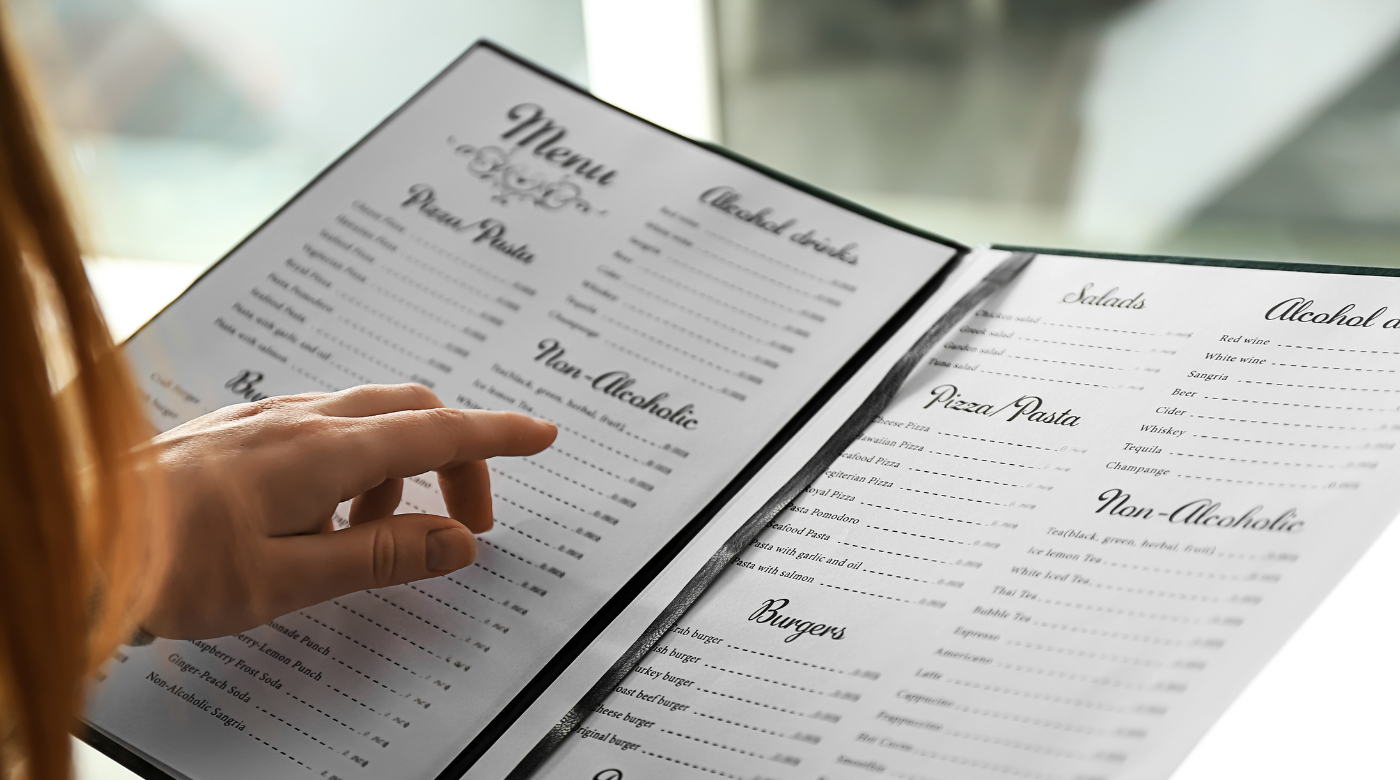
The strongest bakeries launch with a focused menu, not a sprawling one. Mastering a tight lineup of signature items builds a reputation for consistency and keeps your ingredient inventory, prep schedule, and waste manageable.
Menu strategy
- Start with the items you make best and that your market research supports
- Cost every recipe precisely: ingredient cost per item is the foundation of profitable pricing
- Add seasonal items to keep the lineup fresh and give regulars a reason to return
- Track daily sales trends and adjust production volumes to minimize unsold inventory
Sourcing ingredients
Consistent ingredient quality is the foundation of a consistent bake. Customers return because their favorite item tastes exactly the same every time and that starts with your supply chain.
Buying in bulk is essential for bakery margins. Flour, sugar, butter, eggs, and dairy are the backbone of your cost of goods, and per-unit pricing matters at bakery volumes.
Shamrock Foodservice Warehouse carries baking staples, dairy, and kitchen supplies at wholesale pricing with no membership fees. We are a practical sourcing partner for bakeries across the Southwest. Find a location near you at shamrockfsw.com/locations.
9. Hire and Train Your Team
Many bakery owners run lean at the start (sometimes solo) until revenue supports hiring. When you're ready to build a team:
Back of house
- At least one or two staff with formal baking training or experience to oversee production
- Entry-level support for mixing, dishwashing, and packaging
- Specialists as your concept demands: experienced cake decorators for custom orders, bread bakers for artisan programs
Front of house
- Counter staff to take orders, run the register, and represent your brand; customer service drives repeat business as much as product quality does
Train every hire to execute recipes exactly as written. Consistency is your brand. One rule that protects new owners: start small and only hire what your current revenue supports, not what your projected revenue promises.
10. Market Your Bakery
Baked goods are one of the most visually shareable products in the food industry.
Before you open
- Start posting during your build-out. Document the space coming together, recipe testing, and first bakes. Pre-opening content builds genuine anticipation.
- Claim your Google Business Profile so you appear in local search from day one.
Social media
- Instagram and TikTok are your primary channels. Close-up product shots, decorating videos, and behind-the-scenes baking content consistently perform well.
- Post consistently and use location tags so nearby customers discover you.
Grand opening
- Offer an opening promotion: a free pastry with purchase, or a discount for the first 100 customers
- Free samples convert browsers into buyers and expose customers to more of your menu
- Partner with neighboring businesses for cross-promotion
Building loyal customers
- A simple loyalty program gives regulars a reason to keep coming back
- Custom order relationships: birthday cakes, office catering, holiday pre-orders — turn one-time customers into recurring revenue
Common Mistakes to Avoid When Opening a Bakery
The biggest mistakes new bakery owners make are consistent across the industry, and almost all of them are avoidable:
- Underestimating startup costs. Build-outs run over budget and revenue ramps slower than projected. Pad your working capital; undercapitalization is the most common reason new bakeries close.
- Launching with too large a menu. More items means more inventory, more prep time, more waste, and diluted quality. Start focused and expand from strength.
- Skipping recipe costing. If you don't know your exact cost per item, you're guessing at your prices and probably underpricing.
- Ignoring waste tracking. Unsold inventory is money in the trash. Track daily sales patterns and adjust production accordingly.
- Overhiring early. Payroll is your biggest controllable expense. Staff to your volume, not your ambitions.
- Neglecting the business side. Great baking doesn't survive poor bookkeeping. Set up proper financial tracking from day one or hire an accountant early.
Stock Your Bakery With Shamrock Foodservice Warehouse
Starting a bakery takes more than a passion for baking. It takes planning, capital, the right equipment, and a supply chain you can count on.
Shamrock Foodservice Warehouse carries the ingredients and supplies bakeries depend on: flour, sugar, dairy, eggs, packaging, and kitchen essentials at wholesale pricing with no membership fees required. With 15 locations across Arizona, Colorado, Montana, New Mexico, and Texas, keeping your kitchen stocked is straightforward wherever you're baking in the Southwest.
Find your nearest location and start building your ingredient list today.