
Opening a coffee business means making a lot of purchasing decisions before you ever serve your first cup. Espresso machines, grinders, refrigeration, water systems, disposables, permits — the list is long, and missing something critical early on can mean costly delays or gaps in your operation.
This checklist covers every piece of equipment, supply, and requirement you need to launch and run a coffee business, whether you’re opening a brick-and-mortar café, a coffee cart, or a fully equipped coffee truck. Use it as your planning reference from day one.
For a full walkthrough of the launch process, visit our guides: How to Start a Coffee Shop and How to Start a Mobile Coffee Business.
1. Espresso & Coffee Brewing Equipment
The core of any coffee operation. These items apply across all formats: café, cart, trailer, or truck. Prioritize commercial-grade equipment rated for the volume you expect to run.
Espresso Setup
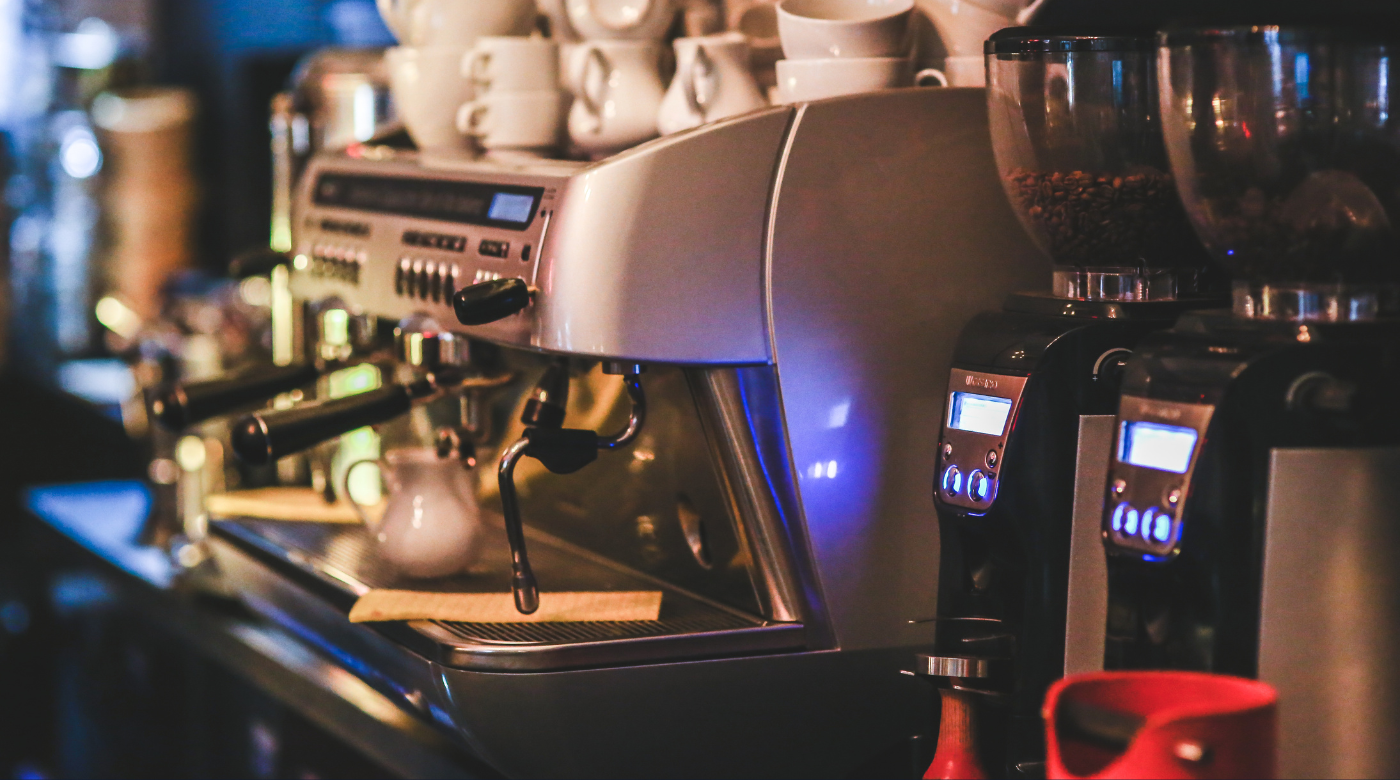
- Commercial espresso machine: 1 group head for low-volume carts, 2–3 group heads for higher-volume cafés and trucks
- Dedicated espresso grinder: stepless burr grinder for precision dialing
- Dual boiler machine strongly recommended for mobile use: separate boilers for brewing and steaming allow simultaneous operation without temperature compromise
- Knock box: countertop for carts, built-in for trucks and cafés
- Tamper sized to your portafilter basket
- Distribution tool
- Portafilters and spare baskets
- Milk frothing pitchers: 12oz and 20oz at minimum
- Digital scale (0.1g precision) for shot weighing
- Probe thermometer for milk steaming
- Shot glasses for espresso yield checking
Batch Brewing
- Commercial batch brewer for drip coffee
- Dedicated drip coffee grinder: separate from your espresso grinder
- Airpots or thermal carafes to hold brewed coffee during service
Cold Coffee
- Cold brew system or concentrate setup: cold coffee drinks are year-round, high-margin staples across all formats
- Blender for frappés and blended drinks
- Nitro cold brew tap (optional)
Water Quality
- Inline water filtration system: protects equipment from scale buildup and ensures flavor consistency; applies to every format including mobile
- Water softener if operating in a hard water market
2. Water & Power Systems
Brick-and-mortar cafés connect to municipal water and commercial power. Mobile operators (carts, trailers, and trucks) need to build self-contained systems. Undersizing either water or power capacity is the most common and costly mistake in a mobile build-out.
For mobile operators
- Fresh water tank: 30–50 gallons minimum; must be food-grade and meet local health department requirements
- Gray water tank: must meet or exceed fresh water capacity per most health department requirements
- Water pump and pressure accumulator for consistent flow
- Generator or shore power hookup: sized to run your espresso machine, grinder, refrigeration, and lighting simultaneously
- Dedicated electrical panel with circuit breakers for each major appliance
- Propane system if using gas-powered equipment: subject to local fire code; fire extinguisher required
For brick-and-mortar operators
- Confirm your commercial space has adequate electrical capacity for all equipment before signing a lease; upgrades add meaningful cost to your build-out
- Commercial plumbing connections for espresso machine, sinks, and dishwasher
- Hot water heater sized for your equipment needs
- Three-compartment sink: required by most health departments for commercial food operations
3. Refrigeration & Storage
- Under-counter refrigerator for milk and cold ingredients at the bar: every format needs at least one
- Ice bin or portable ice maker for iced drinks
- Dry storage bins for cups, lids, and shelf-stable supplies
- Smallwares organizers for syrups, tools, and accessories
- Reach-in cooler for bulk dairy storage: brick-and-mortar and high-volume truck operations
- Display case for pastries and grab-and-go food: brick-and-mortar and larger trailer setups
- Walk-in cooler: brick-and-mortar only, if volume warrants
- Back-of-house shelving and dry storage racking (brick-and-mortar)
For mobile operators: every refrigeration unit must be rated for mobile use as consumer units aren’t built for road vibration or inconsistent power. Secure all units against movement during transport and size to your realistic daily volume to maintain consistent temperature.
4. Smallwares & Bar Tools
Universal across all formats. Stock multiples of high-use items; running out of pitchers or tampers during a rush is avoidable.
- Espresso tamper
- Distribution or WDT tool
- Milk frothing pitchers (multiple sizes)
- Digital scale
- Probe thermometer
- Knock box
- Portafilter cleaning brush
- Bar spoons and stirrers
- Syrup pumps (one per syrup bottle)
- Measuring cups and pourers
- Cutting board and knife set if serving food
- Bar mats and hand towels
- Group head and steam wand cleaning brushes
5. Disposables & Packaging
High-frequency consumables that need consistent restocking. Buying in bulk keeps per-unit costs down and is one of the clearest areas where a wholesale supplier pays off.
- Hot cups: 8oz, 12oz, 16oz, 20oz
- Cold cups: 16oz, 24oz (clear)
- Lids for all cup sizes: hot and cold
- Cup sleeves for hot drinks
- Straws: paper or compostable where required by local ordinance
- Stirrers
- Napkins
- To-go bags for food items
- Sugar and condiment packets
- Cup carriers and trays
- For-here ceramic mugs, espresso cups, and glassware (brick-and-mortar)
- Plates and small dishes for food service (brick-and-mortar)
Shamrock Foodservice Warehouse stocks a full range of disposable cups, lids, sleeves, and packaging at wholesale pricing: no membership fees, 15 locations across the Southwest. Find a store near you.
For mobile operators: storage space for bulk disposables is limited on a cart or truck. Establish a reliable weekly restocking cadence rather than trying to carry excess inventory on the vehicle.
6. Food & Beverage Supplies
- Coffee beans: sourced from a local or regional roaster
- Whole milk
- Non-dairy alternatives: oat, almond, and soy at minimum
- Flavoring syrups: vanilla, caramel, and hazelnut as core; seasonal additions as desired
- Sauces: mocha, white chocolate, caramel drizzle
- Simple syrup
- Sweeteners: sugar, raw sugar, sugar-free options
- Whipped cream
- Pastries and food items: baked in-house or sourced from a local supplier
- Tea supplies: loose leaf, bags, chai, matcha — brick-and-mortar and cafés with full beverage programs
- Bottled beverages for retail display (brick-and-mortar)
- Cleaning and sanitizing supplies: espresso machine cleaner, group head brushes, sanitizer solution, cleaning cloths
For mobile operators: order perishables in quantities you can move within your refrigeration window. Over-buying dairy on a mobile setup with limited cold storage directly affects your margins. Build a restocking routine tied to your weekly operating schedule.
7. Technology & Operations
- POS system with integrated payment processing
- Receipt printer
- Cash drawer
- Menu board: chalkboard, printed, or digital; must be visible and readable from a distance for mobile setups
- Loyalty program integration: many POS systems include this natively
- Business management software for inventory tracking and scheduling
For brick-and-mortar operators
- Customer-facing display screen at the register
- Kitchen display system (KDS) if running a food program
- WiFi router and network for staff devices and customer access
- Security camera system
- Music system and speakers
For mobile operators
- LTE-enabled POS: don’t rely on event WiFi for payment processing
- Weatherproof or enclosed POS setup for outdoor operation
- Portable battery backup for your POS in case of generator issues
8. Licenses, Permits & Insurance
Every coffee business needs
- Business license (city or county)
- Food handler’s certification for all food-handling staff
- Food manager certification: at least one per location in most states
- Seller’s permit and sales tax license
- Health department permit
- General liability insurance
- Workers’ compensation insurance: required in most states once you have employees
Brick-and-mortar additions
- Certificate of occupancy: issued after passing building and fire inspections
- Signage permit if installing exterior signage
- ADA compliance review for your space
- Property insurance for your build-out and equipment
- Alarm and security system registration if required by your lease or insurer
Mobile additions
- Mobile food vendor permit: required in every jurisdiction you operate in; crossing city or county lines may require multiple permits
- Commissary kitchen agreement: most health departments require mobile operators to use a licensed commercial kitchen for prep, cleaning, and waste disposal
- Commercial vehicle insurance
- Fire extinguisher and safety compliance: requirements vary by jurisdiction and vehicle type
- Special event permits for farmers markets, festivals, and private events: apply early, popular events fill vendor rosters quickly
Stock Your Coffee Business With Shamrock Foodservice Warehouse
Whether you’re opening a neighborhood café, launching a coffee cart, or hitting the road in a fully built coffee truck, your supply chain is one of the most important operational decisions you’ll make.
Shamrock Foodservice Warehouse carries the consumables and supplies coffee operators depend on: cups, lids, dairy, syrups, food items, cleaning supplies, and more at wholesale pricing with no membership fees required. With 15 locations across Arizona, Colorado, Montana, New Mexico, and Texas, stocking up before opening day and keeping your shelves full after is straightforward wherever you’re operating in the Southwest.
Find your nearest location at shamrockfsw.com/locations.