

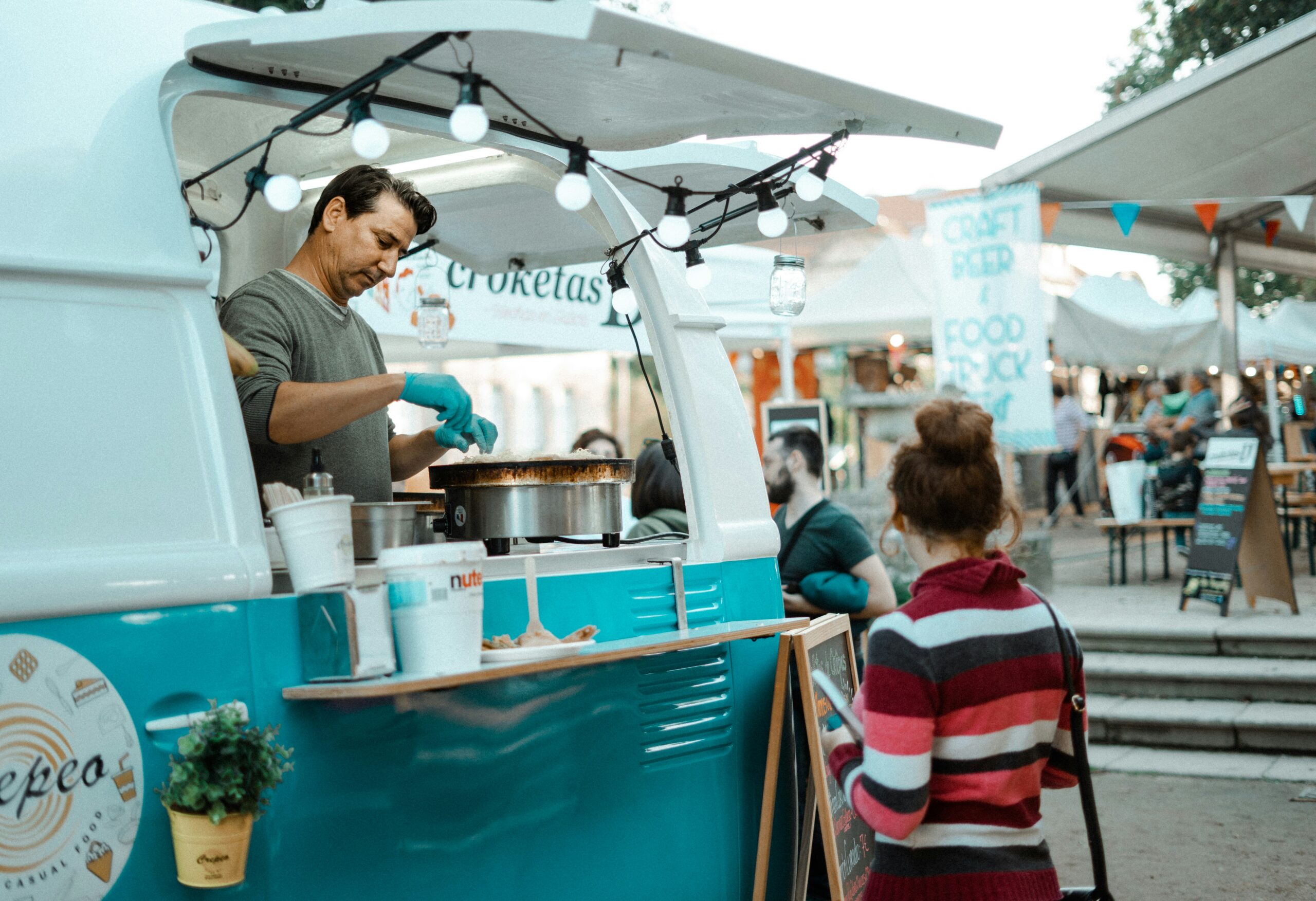
The food truck industry is in the middle of a sustained growth period, and for owners who pay close attention to what consumers want, the opportunity has never been stronger. Understanding what consumer trends make a food truck successful is no longer optional for operators who want to stay competitive. The industry is shifting quickly, with new technology, evolving customer expectations, and a broader street food culture reshaping what it means to run a thriving mobile food business.
This guide breaks down the most important food truck industry trends for 2026. From menu innovation and sustainability to digital tools and social media strategy, so owners can make informed decisions about where to focus their time and investment.
Shamrock Foodservice Warehouse is a trusted mobile food partner with the products, insights, and supply reliability needed to navigate these changes with confidence.
What Are the Current Food Truck Trends?
The food truck industry is evolving faster than ever, driven by a combination of cultural momentum, technological adoption, and shifting consumer values. Operators who understand the current trends in the food truck industry can position themselves ahead of the curve rather than chasing it.
The two biggest macro shifts shaping the landscape right now are the explosive growth of mobile food culture and a meaningful change in what today’s customers expect when they pull up to a truck.
Growth of Mobile Food and Street Food Culture
In the past, food trucks supported events. Today, events center around the trucks themselves. Food truck festivals, designated truck lots, and curated food truck parks have become legitimate social destinations- places people seek out specifically, not just stumble upon. Event organizers are increasingly using food trucks as a selling point, calling out specific trucks in promotional materials to drive attendance.
As the customer base expands, so does the appetite for fresh, differentiated concepts. From Korean BBQ tacos to fully plant-based menus and all-day formats that span breakfast through late-night, menu innovation is one of the defining characteristics of today’s food truck scene. The trucks gaining the most traction aren’t trying to be everything. They’re building a distinct identity and executing it consistently.
Shifting Consumer Demand in 2026
Today’s food truck customers expect more than good food:
- Convenience and speed: Mobile ordering and pre-pay options are increasingly the expectation, not a bonus
- Real-time engagement: Customers follow trucks on social media, check locations online, and leave reviews that directly influence new customer decisions
- Quality and value alignment: Diners want premium ingredients at a fair price and are vocal when the balance feels off
What Consumer Trends Make a Food Truck More Successful?
The most successful owners don’t chase every trend. They identify which ones align with their concept and execute with intention. Here are the trends having the most measurable impact in 2026:
Unique and Specialized Menu Items
Focused menus consistently outperform sprawling ones in the food truck format. A truck known for doing one thing exceptionally well becomes a destination, not just a convenience.
- Lean into a regional specialty or signature concept
- Offer customization options to meet diverse expectations
- Use rotating limited-time items to drive repeat visits without a full menu overhaul
Plant-Based and Health-Conscious Offerings
Plant-based and health-forward items have moved well beyond a niche. Adding options like vegan burgers or grain bowls expands reach to new customer segments and builds loyalty among health-conscious diners who tend to be vocal advocates for brands they support.
Sustainability and Eco-Friendly Practices
Sustainability is becoming a competitive requirement, not just a differentiator:
- Switch to compostable or recyclable packaging and biodegradable utensils
- Source locally and seasonally where possible it lowers costs and makes for a compelling story
- Communicate eco practices clearly through signage and social media; younger diners and corporate clients increasingly screen for this
Convenience and Speed
- Mobile ordering, QR-code menus, and pre-order options reduce wait times and increase order volume
- Cashless and contactless payments speed up the line
- Clearly marked pickup windows reduce confusion during peak service
Experience and Brand Identity
- Eye-catching truck wraps and cohesive visual branding increase recognition in crowded lots and on social media
- Genuine customer interaction at the window turns first-time visitors into regulars
- Community presence: local events, collaborations, and charitable involvement generates word-of-mouth no ad budget can replicate
Value and Quality Expectations
- Standardized recipes and clear plating guidelines ensure consistency even during peak demand
- Communicate what makes the food worth the price: premium sourcing, house-made elements, portion transparency
- Rotating specials satisfy novelty-seekers while keeping core favorites stable for loyal regulars
Technology Trends Reshaping Food Truck Operations
Technology is now a genuine competitive differentiator for food truck operators. The right systems allow trucks to serve more customers, make fewer errors, and use data to make smarter decisions about staffing, inventory, and menu development.
POS Systems and Digital Payments
Modern food truck POS platforms (Toast, Square, Clover) combine order-taking, payment processing, and inventory tracking in one system:
- Tablet or handheld units speed up the line and enable line-busting during rushes
- Orders route directly to the kitchen in real time, reducing communication errors
- Built-in analytics reveal peak hours, top-selling items, and high-margin plates
Real-Time Data and Performance Insights
- Sales dashboards show what’s driving revenue and what isn’t
- Location and time-of-day data helps match staffing and prep to actual demand
- Underperforming items can be adjusted or pulled via digital menu updates- no reprinting required
Online Ordering and Customer Engagement
- Third-party delivery integrations and direct ordering sites expand reach beyond the physical service window
- Digital loyalty programs and SMS rewards keep trucks top of mind between visits
- Syncing online ordering, POS data, and social media creates a consistent brand experience across every touchpoint
How Social Media Is Driving Food Truck Success in 2026
For a mobile business with no fixed storefront, social media is often the primary way customers find and stay connected to a truck. A consistent, active presence pays dividends across the entire customer lifecycle.
Building Visibility Through Social Platforms
- Post daily locations, service windows, and event appearances so customers always know where to find the truck
- Use stories and live updates to show real-time line length or announce sell-outs- creates urgency and authenticity
- Promote limited-time specials and seasonal items to drive traffic on slower days
- High-quality food photos and short-form video make menu items shareable and extend reach beyond existing followers
Using Social Proof to Influence Consumer Preferences
- Encourage guests to share and tag; re-post user-generated content to amplify word-of-mouth at no cost
- Partner with local food bloggers or influencers for high-credibility introductions to new audiences
- Monitor and respond to reviews and DMs- it signals accountability and keeps issues from escalating
How Food Truck Operators Can Get Ahead in 2026
The trucks that thrive won’t be the ones that reacted to trends, they’ll be the ones that anticipated them. Three areas to prioritize:
Evolving Food Truck Offerings
- Test limited-edition items and short-run specials before committing permanently; announce through social for traffic spikes
- Build seasonal menus around what’s in stock- Shamrock Foodservice Warehouse staff can help identify seasonal availability
- Develop a niche concept with strong branding to become a must-try destination rather than one option among many
Integration With Broader Food Service Networks
Consolidating purchasing through a reliable supplier like Shamrock Foodservice Warehouse:
- Simplifies ordering
- Reduces sourcing time
- Improves inventory forecasting.
Access to a wide product range, including special orders and online restocking, means operators can respond to demand without scrambling for supply.
Adapting to Changing Consumer Trends
- Monitor reviews, comments, and in-person feedback to spot emerging preferences early
- Use small-batch menu tests and chef’s specials to experiment without risk
- Treat flexibility as a competitive advantage: trucks that adapt quickly to shifting hours, locations, and service formats are better positioned for any market condition
How Shamrock Supports Food Truck Owners in 2026 and Beyond
Shamrock Foodservice Warehouse is a go-to resource for food truck operators, offering reliable product access, broad inventory, and the operational knowledge to help trucks run efficiently and stay ahead of industry shifts.
Reliable Food Service Supply Solutions
- Wide range of restaurant-quality products: meats, produce, dairy, dry goods, and to-go essentials
- Special order options with next-day availability extend access to thousands of additional items
- Same professional-grade products and brands as Shamrock Foods: consistent quality across every plate
Business Support for Growing Food Truck Operations
- Product depth and category knowledge to help build cost-effective, trend-forward menus
- Competitive pricing and case-pack options reduce per-plate costs and protect margins
- Broad catalog accommodates current trends in the food industry: plant-based, gluten-friendly, better-for-you, without sourcing from multiple specialty vendors
Helping Owners Stay Ahead of Industry Trends
- Access to national and regional foodservice data highlights emerging flavors, formats, and consumer expectations
- Practical guidance on inventory management, food safety, and menu optimization helps trucks build sustainable systems
- A supply partner that scales alongside the business: more variety, higher volumes, consistent availability, so owners can stay focused on food and hospitality
Preparing Your Food Truck for Long-Term Success in 2026
The food truck industry in 2026 is being shaped by mobile food culture, rising consumer expectations, plant-based and sustainable offerings, smarter technology, and the power of social media. Operators who adapt to these shifts early will be best positioned for sustainable growth.
Success isn’t about doing everything at once. It’s about knowing which trends matter most for your concept, investing in the right tools and partnerships, and staying flexible as the landscape evolves.
Latest Posts
Apr. 07, 2026
Food Truck Industry Trends for 2026: What Owners Need to Know to Stay Competitive
Apr. 07, 2026
April 07, 2026
Mar. 10, 2026
Shop Spring Produce at Shamrock Foodservice Warehouse
Mar. 10, 2026
March 10, 2026

Mar. 10, 2026
Save and Shine with Spring Cleaning Deals this Month
Mar. 10, 2026
March 10, 2026
Categories