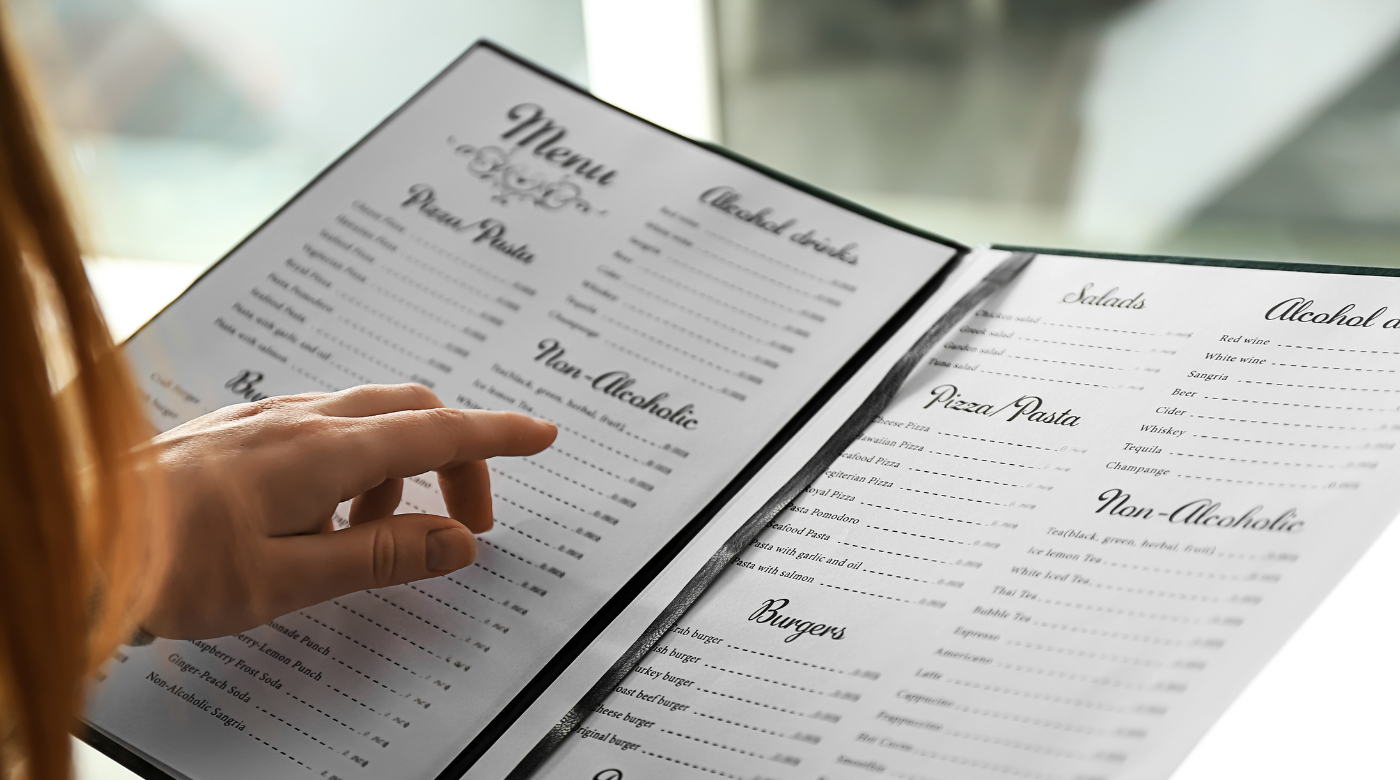

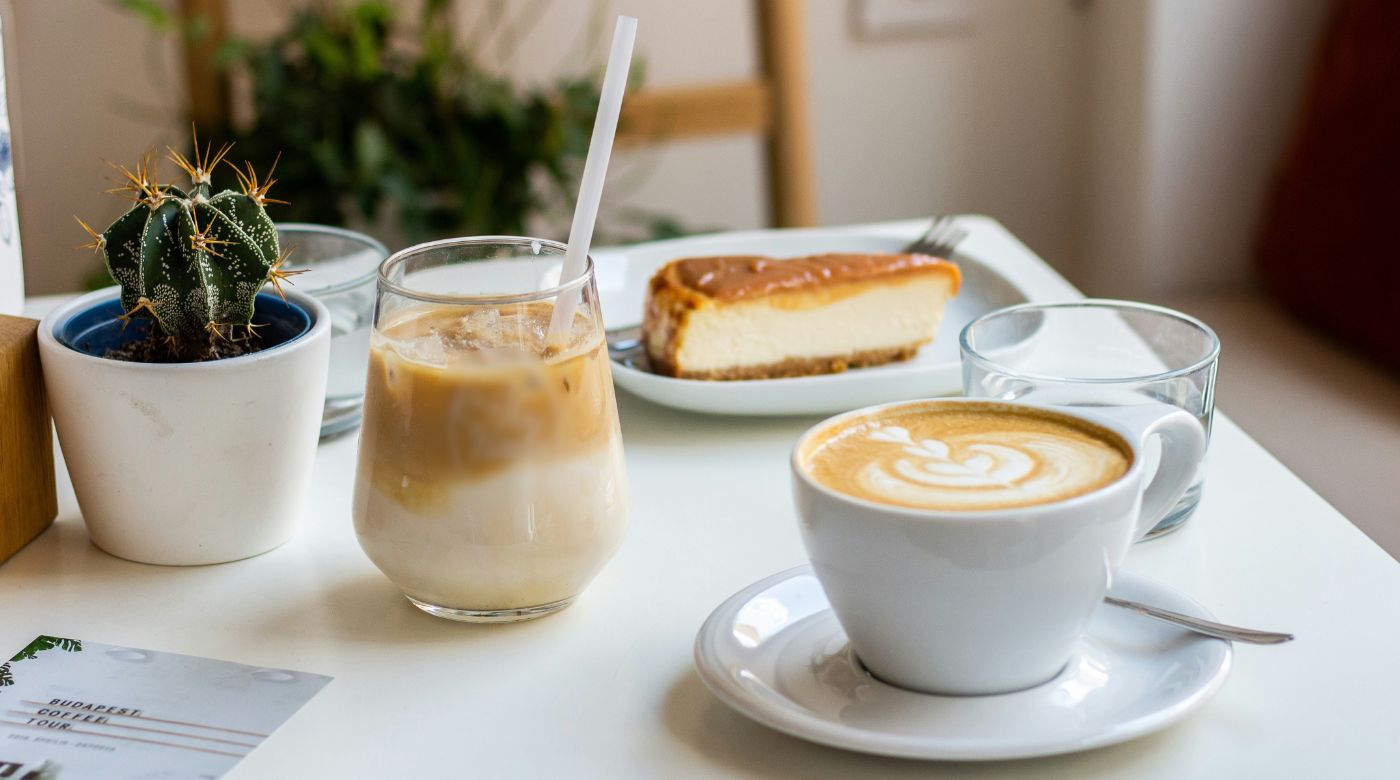
Your menu does more than list what you sell– it tells customers who you are. The moment someone walks up to your counter, the drinks and food you offer shape their first impression, set expectations for quality, and influence how much they spend.
A well-built coffee shop menu drives repeat visits, simplifies operations, and positions your brand in a crowded market. A poorly built one creates confusion, slows down service, and leaves money on the table.
Whether you’re opening a new café, refreshing an existing concept, or launching a coffee bar, this guide walks through the menu items, drink categories, food pairings, and strategic considerations that go into building a coffee shop menu customers love.
What Should Be Included in a Coffee Shop Menu?
A complete coffee shop menu typically covers five core categories: espresso-based drinks, brewed coffee, cold beverages, specialty and seasonal offerings, and food.
How much depth you go into within each category depends on your shop’s size, staff, and equipment, but every strong menu addresses all five.
The categories to build around:
- Espresso drinks: The foundation of any coffee program. Lattes, cappuccinos, americanos, and mochas belong here.
- Brewed coffee: Drip or batch brew is the highest-volume, lowest-effort item you can offer. Don’t skip it.
- Cold drinks: Cold brew, iced coffee, and iced lattes have become year-round staples, not just summer specials.
- Specialty beverages: Seasonal drinks, signature house creations, and limited-time offerings that differentiate your shop.
- Food offerings: Pastries, snacks, and light meals that increase average ticket size and give customers a reason to stay longer.
Coffee Shop Menu Ideas to Inspire Your Café
The best coffee shop menus balance comfort and creativity. Customers want to find the familiar drinks they count on, but they also want to discover something new: a seasonal special, a house signature, or a flavor combination they haven’t tried before.
Whether you’re running a compact coffee stand or a full neighborhood café, the goal is the same: build a menu that feels approachable, reflects your brand, and gives customers something to come back for.
Classic Coffee Drinks Every Coffee Shop Should Offer
Many customers walk into a coffee shop with a specific drink in mind. If you don’t have it, they’ll go somewhere else. Classic coffee drinks form the foundation of every successful shop menu– they provide consistency, drive daily traffic, and give you a baseline to build from.
The classics your menu should cover:
- Espresso (single and double)
- Americano
- Cappuccino
- Latte
- Mocha
- Drip or brewed coffee
- Macchiato
High-quality ingredients matter most here. Customers who order a latte every day will notice when the espresso is off or the milk isn’t steamed right. Getting the classics right builds the trust that keeps your customer base coming back.
Specialty Coffee Drinks That Set Your Shop Apart
Specialty and signature drinks are where your shop’s identity takes shape. These are the items customers associate specifically with you– the drink they recommend to friends, photograph for social media, and come back for when nothing else will do. They also tend to carry higher margins, since unique flavor combinations justify a premium price point.
Coffee shop menu ideas for specialty drinks:
- Flavored lattes with house-made or premium syrups
- Honey or vanilla espresso drinks
- Spiced coffee drinks (cardamom, cinnamon, or chai-inspired)
- Specialty mochas with elevated chocolate profiles
- Oat milk or non-dairy signature creations
Keep specialty drinks executable. A drink that takes five minutes to prepare during a morning rush creates bottlenecks. The best signatures are ones your team can make consistently, quickly, and with ingredients you already stock.
Cold Coffee and Iced Drink Menu Ideas
Cold drinks have moved well beyond seasonal. In warmer climates, iced beverages outsell hot drinks year-round, and even in cooler regions, cold coffee has become a daily habit for a significant portion of the customer base, particularly among younger consumers. If your cold drink selection is limited, you’re leaving sales on the table.
Cold coffee menu ideas to consider:
- Iced coffee
- Cold brew
- Nitro cold brew
- Iced lattes
- Iced flavored espresso drinks
Cold brew in particular has become a high-demand, high-margin item. It requires advance preparation but minimal labor at point of service, making it an operationally smart addition for shops of any size.
Seasonal and Limited-Time Coffee Drinks
Seasonal drinks are one of the most effective items for keeping your menu fresh without overhauling it. Limited-time offerings create urgency: customers know they have a window to try something before it’s gone, which drives traffic and repeat visits throughout the year. They’re also a low-risk way to test new flavor combinations before committing to a permanent menu addition.
Popular seasonal coffee menu ideas by time of year:
- Fall: Pumpkin spice beverages, apple cider lattes, and warm spiced drinks
- Winter: Peppermint mochas, holiday-inspired drinks, and rich dark chocolate espresso blends
- Spring: Floral or citrus flavors like lavender lattes, lemon cold brew, and earl grey-inspired drinks
- Summer: Fruity iced drinks, tropical cold brews, and refreshing blended beverages
Coffee Bar Menu Ideas for Smaller Coffee Shops
Smaller coffee shops, coffee stands, and mobile coffee bars operate under different constraints than full-service cafés– tighter space, smaller teams, and faster service expectations. A focused menu with high-demand items is almost always more effective than a sprawling one.
Streamlining reduces prep complexity, simplifies inventory management, and makes it easier to maintain consistent quality across every order.
A solid small coffee bar menu might include:
- Core espresso drinks (lattes, cappuccinos, americanos)
- One or two specialty or signature drinks
- Cold brew or iced coffee
- Drip or batch brew
- A limited selection of pastries or grab-and-go snacks
When in doubt, do fewer things better. A two-page menu at a coffee stand creates confusion and slows service. A tight, well-executed menu creates a reputation.
Food Menu Ideas That Pair Well With Coffee
Adding food to your coffee shop menu increases average order value (AOV) and gives customers more reasons to visit throughout the day, not just for their morning drink.
The right food options don't need to be elaborate. It just needs to complement your beverages, be manageable for your team, and fit the experience you’re creating.
Common food menu ideas for coffee shops/stands:
- Pastries and baked goods (croissants, danishes, cookies)
- Muffins or scones
- Breakfast sandwiches
- Avocado or specialty toasts
- Grab-and-go snacks and energy bars
- Simple sandwiches or wraps for the lunch crowd
- Salads or light meals for longer visits
When selecting food items, factor in preparation requirements and available equipment. A menu item that requires a commercial oven you don’t have, or prep time your team can’t absorb during peak hours, will create more problems than it solves. Start with items that are simple to execute and scale from there.
How to Make Your Coffee Shop Menu
Knowing what to include is only part of the process. How you structure, price, and present your menu determines whether it actually works for your business. Once you have a sense of the drinks and food you want to offer, the next step is tailoring the menu to your brand, your customers, and your operational reality.
1. Start With Your Target Customer Base
The most important menu decisions flow from understanding who you’re serving. A drive-through coffee stand near a highway on-ramp attracts a different customer than a sit-down neighborhood café two blocks from a university. Before you finalize anything, get clear on who your core customer is and what they expect.
Questions to work through:
- What does your customer’s typical order look like: quick and familiar, or exploratory and premium?
- What does your local community lack that your menu could provide?
- Are your customers primarily morning traffic, afternoon visitors, or both?
Identifying these preferences early helps you allocate menu space to high-demand items rather than building around assumptions.
2. Build Around Flavor Profiles
A cohesive menu isn’t just a list of drinks, it’s a collection of items that make sense together. Defining your shop’s flavor profile helps you make consistent decisions about what to add, what to rotate, and what doesn’t fit.
- Decide whether your menu leans sweet and approachable, bold and roast-forward, or light and specialty-focused
- Build variety within that identity rather than trying to cover every flavor category
- Let seasonal drinks introduce new flavors without permanently expanding the menu
3. Use Smart Menu Design
Menu design isn’t just aesthetic– it’s a sales tool. How you organize and present your offerings influences what customers order and how much they spend.
High-margin items belong in prominent positions. Sections should be clearly labeled so customers can navigate quickly, especially during busy service windows.
- Group drinks logically: hot espresso drinks together, cold drinks together, food separate
- Highlight signature or high-margin items visually: a callout box, a label, or a featured position
- Keep descriptions short and specific: tell customers what makes the drink interesting without overexplaining
4. Building a Brand Around Your Menu
Your menu is an extension of your brand identity. The names you choose for drinks, the aesthetic of your menu board, and the story behind your signature offerings all contribute to how customers perceive and remember your shop. Consistency across your menu, your space, and your service experience is what turns first-time visitors into regulars.
- Give signature drinks names that reflect your shop’s personality
- Maintain consistent quality on your main items so customers know what to expect every visit
- Use limited-time drinks to introduce new ideas while protecting the reliability of your permanent menu
Pricing Strategies for Coffee Shop Menus
Pricing decisions affect profitability, customer perception, and competitive positioning simultaneously. The right pricing strategy accounts for ingredient costs, local market expectations, and the perceived value of what you’re serving. There’s no universal formula, but there are consistent principles that work across most shop formats.
Balancing Value and Profitability
Every item on your menu needs to cover its costs and contribute to your margins, but customers also need to feel like the price is fair. Finding that balance means understanding your cost per drink and knowing what your local market will support.
- Calculate ingredient cost per drink and set prices to maintain a target food cost percentage (typically 25–35% for beverages)
- Research what comparable coffee shops in your area charge for similar items
- Don’t underprice quality– customers associate price with value, and a latte that’s too cheap can signal low quality as easily as one that’s too expensive
Pricing Specialty Coffee Drinks
Specialty and signature drinks typically command a premium over standard menu items, and customers generally accept that premium when the drink delivers something they can’t get elsewhere.
Customization options and add-ons (alternative milks, extra shots, flavored syrups) are another lever for increasing average ticket without raising base prices.
- Price specialty drinks $1-2 above your standard lattes to reflect their unique ingredients or preparation
- Offer customization add-ons at a clear price point so customers know what’s available
- Highlight the value in specialty items: house-made syrups, premium milk alternatives, and unique flavor profiles justify the higher price
Seasonal Promotions and Limited-Time Offers
Limited-time drinks serve double duty: they drive traffic during slower periods and give you a low-stakes way to test new menu ideas before committing to them permanently. Promoting a seasonal special through social media or in-store signage creates urgency and keeps your regular customers engaged between visits.
- Use seasonal LTOs to introduce new flavor combinations and gather customer feedback before adding permanently
- Price promotional items at or slightly above standard menu pricing– novelty justifies the premium
- Track sales volume on limited-time items; strong performers are candidates for permanent menu additions
How Many Items Should Be on a Coffee Shop Menu?
More isn’t better when it comes to coffee shop menus. Research on consumer decision-making consistently shows that too many options leads to choice paralysis– customers take longer to order, feel less satisfied with their choice, and are less likely to return.
Most successful coffee shops maintain a focused menu that covers the essentials and adds depth through a small number of specialty or seasonal items.
Avoiding Overly Complex Menus
A large menu creates operational challenges alongside the customer experience issues. More menu items means:
- More ingredients to stock
- More training for staff
- More chances for inconsistency.
A streamlined menu reduces waste, simplifies prep, and makes it easier to maintain quality across every drink.
Offering Variety Without Overwhelming Customers
Structure your menu so customers can navigate it quickly. Hot drinks in one section, cold drinks in another, food separate. A clear hierarchy makes it easier for customers to find what they want and reduces the pressure on your team during busy service windows.
Testing and Refining Menu Ideas
Your first menu won’t be your final one. Track which items sell and which don’t. Items that rarely move create waste and complexity without contributing to revenue.
Remove underperformers, test new ideas through limited-time offerings, and adjust based on what your data and your customers tell you.
How Shamrock Helps Coffee Shops Build Successful Menus
Building a coffee shop menu requires more than good ideas, it requires reliable access to the products and ingredients that make those ideas work consistently. Shamrock Foodservice Warehouse provides coffee shop owners, café operators, and small restaurant owners with the supply foundation needed to run an efficient, profitable operation.
High-Quality Ingredients and Supplies
Every item on your menu depends on ingredient quality.
Shamrock Foodservice Warehouse carries a broad selection of professional-grade products so operators can source what they need from a single reliable supplier rather than managing multiple vendors.
- Wide range of beverage ingredients: dairy, milk alternatives, syrups, and coffee supplies
- Grab-and-go food items and pastry staples for food programs of any size
- Same professional-grade brands available to full-service foodservice operations
Supporting Coffee Shop Operations
Consistent supply is as important as product quality. Running out of an ingredient mid-service disrupts operations, frustrates customers, and costs you sales.
Shamrock’s product availability and special order options mean operators can stay stocked without scrambling.
- In-stock essentials with predictable availability across all Shamrock locations
- Special order options with next-day availability extend access to thousands of additional products
- Competitive case-pack pricing helps manage food costs and protect margins
Helping Businesses Grow
Shamrock Foodservice Warehouse is more than a supplier– we’re a resource for food operators building and growing their business.
From menu development inspiration to product recommendations based on what’s trending in foodservice, Shamrock staff bring practical food industry knowledge to every interaction.
- Access to a wide product catalog that supports current menu trends: specialty beverages, plant-based options, seasonal ingredients
- In-store expertise to help operators identify products that fit their concept and budget
- A supply partner that scales with your business as your menu and volume grow
Start Building a Coffee Shop Menu That Customers Love
A great coffee shop menu doesn’t happen by accident. It’s the result of understanding your customers, making intentional decisions about what to offer and how to price it, and staying willing to adjust as you learn what works.
Shamrock Foodservice Warehouse carries the ingredients, supplies, and foodservice expertise to help you bring your menu to life—whether you’re launching a new concept or refreshing an existing one. Visit your nearest Shamrock location to explore what’s in stock, or shop online to get started.