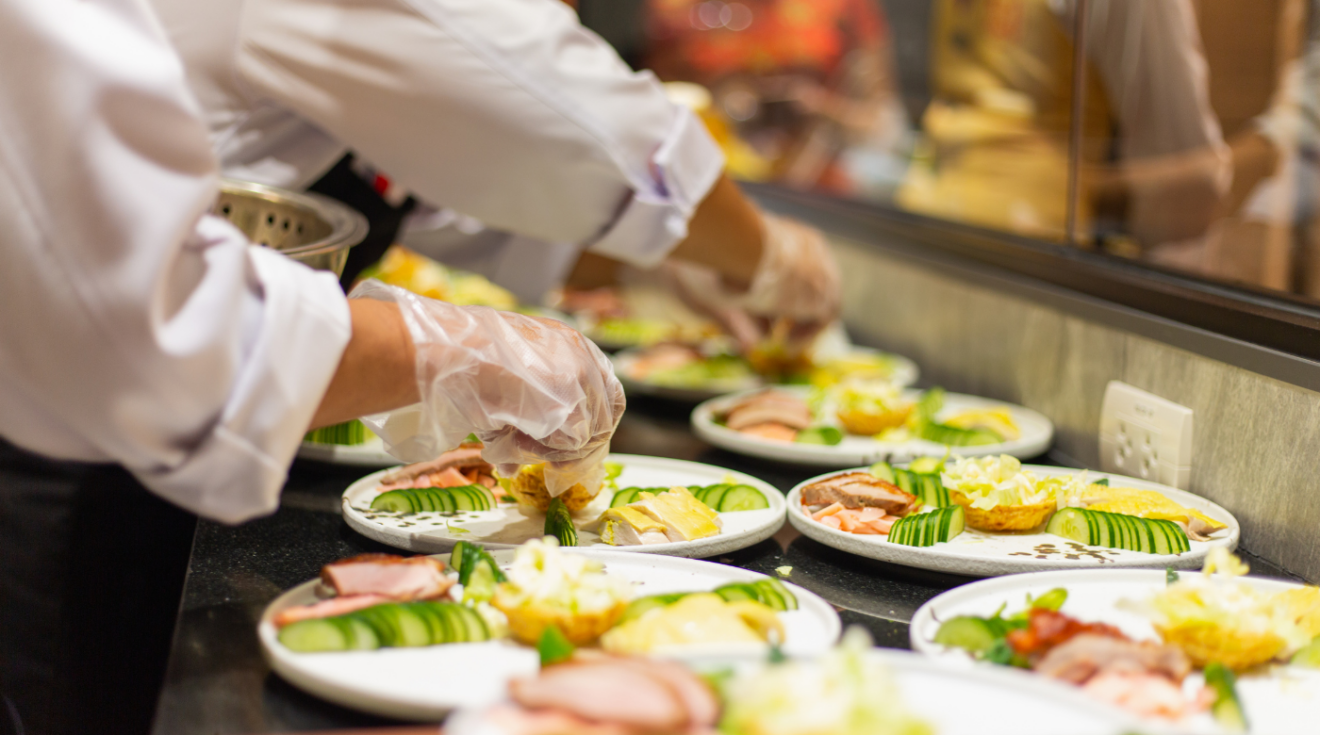
Catering is one of the most accessible ways into the foodservice industry, because there’s no dining room to build out, no lease on a storefront, and no obligation to open your doors at a certain time. But that accessibility comes with different needs to make it work. You’re producing food off-site, transporting it, and executing in rooms you don’t have …
How to Write a Restaurant Business Plan
Restaurants are among the hardest small businesses to launch successfully. The margins are thin, the labor is complex, and the startup costs are steep enough that a single miscalculation can define your first two years. A business plan doesn’t guarantee any of that goes smoothly. What it does is force you to confront every one of those variables on paper …
How to Price Your Restaurant’s Menu
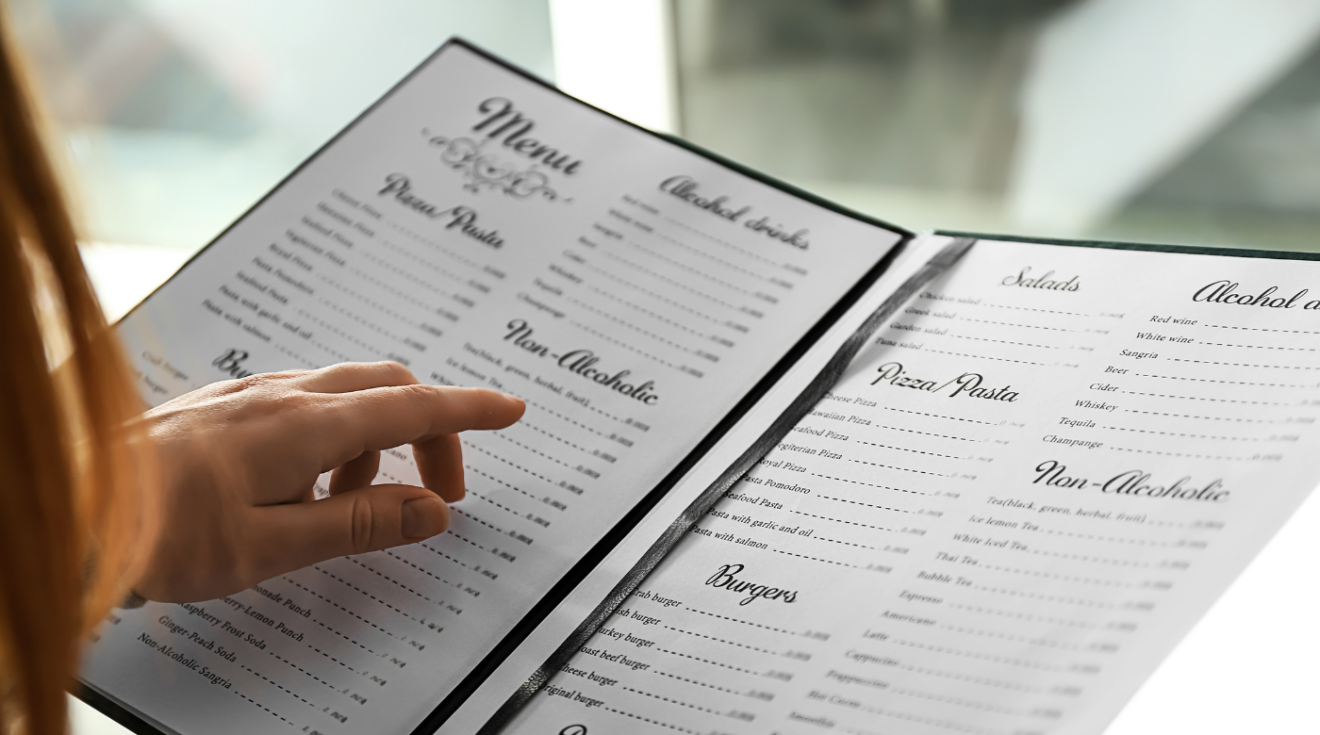
Most restaurants don’t fail because the food isn’t good. They fail because the numbers don’t work, and menu pricing is where that math either holds up or quietly falls apart. Plenty of operators set prices by looking at what the restaurant down the street charges, adding a little, and hoping it covers costs. That approach can survive a good month. …
How to Create a Bakery Business Plan: A Guide
Plenty of bakeries open on the strength of great recipes. The ones that survive their first two years almost always have something else in common: a real business plan. A bakery business plan is the document that forces you to pressure-test your concept before you’ve signed a lease, the roadmap you’ll reference constantly during your chaotic first months, and the …
How to Start a Bakery: A Step-by-Step Guide for Aspiring Owners
Most bakery owners don’t get into the business because they ran the numbers on profit margins. They do it because they have a real passion for baking, and likely because the people around them kept telling them they should sell what they make. Turning that passion into a real business is absolutely achievable, but it takes more than great recipes. …
Coffee Business Equipment & Supplies Checklist: Everything You Need to Open and Operate
Opening a coffee business means making a lot of purchasing decisions before you ever serve your first cup. Espresso machines, grinders, refrigeration, water systems, disposables, permits — the list is long, and missing something critical early on can mean costly delays or gaps in your operation. This checklist covers every piece of equipment, supply, and requirement you need to launch …
How to Start a Mobile Coffee Business
A mobile coffee business offers something a traditional café can’t: the freedom to bring your product directly to your customers. Lower startup costs, no long-term lease, and the flexibility to operate at events, business districts, farmers markets, and beyond make it one of the most accessible entry points into the coffee industry. But accessible doesn’t mean simple. The vibe you …
How to Choose a Food Supplier for Your Restaurant
The suppliers you choose have a direct impact on everything that comes out of your kitchen. Product quality, cost control, menu consistency, and the reliability of your daily operations all run through your supply chain. Get it right and your kitchen runs smoothly. Get it wrong and you’re dealing with late deliveries, inconsistent ingredients, and costs that are hard to …
How to Start a Coffee Shop: A Step-by-Step Guide for Aspiring Owners
Opening a coffee shop is one of the most rewarding ways to build a business around something you love. But passion for coffee only gets you so far. Turning that passion into a profitable, sustainable operation requires planning, capital, the right equipment, and a clear understanding of what it takes to compete in a crowded market. The good news is: …
Food Distributor vs Wholesale Warehouse: What’s Better for a Small Restaurant?
How you source food and supplies shapes nearly every part of your restaurant’s operation: your costs, your menu consistency, how much storage space you need, and how much time your team spends managing inventory. For small restaurant owners, the sourcing decision often comes down to two options: working with a food distributor or buying from a wholesale warehouse. Both play …